
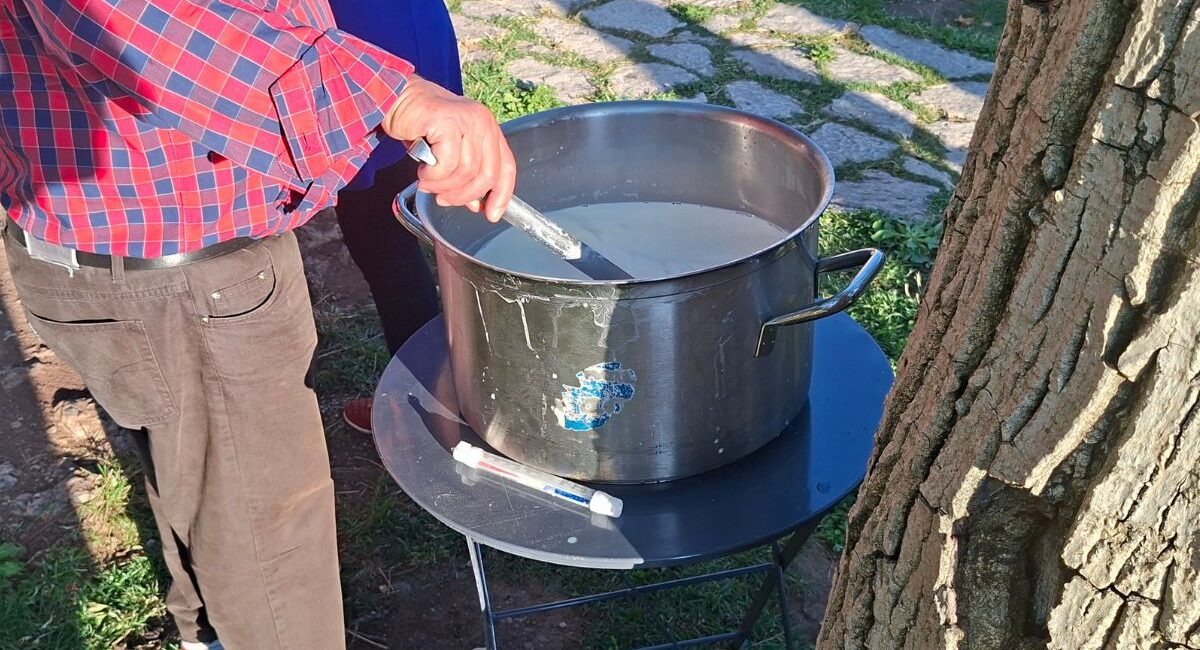
If you travel deep into the heart of the Peloponnese, away from the coastal resorts and into the rugged, pine-scented highlands, you will find yourself in Arcadia. This is a place of myth—a landscape that has symbolized untamed, pastoral paradise since antiquity.
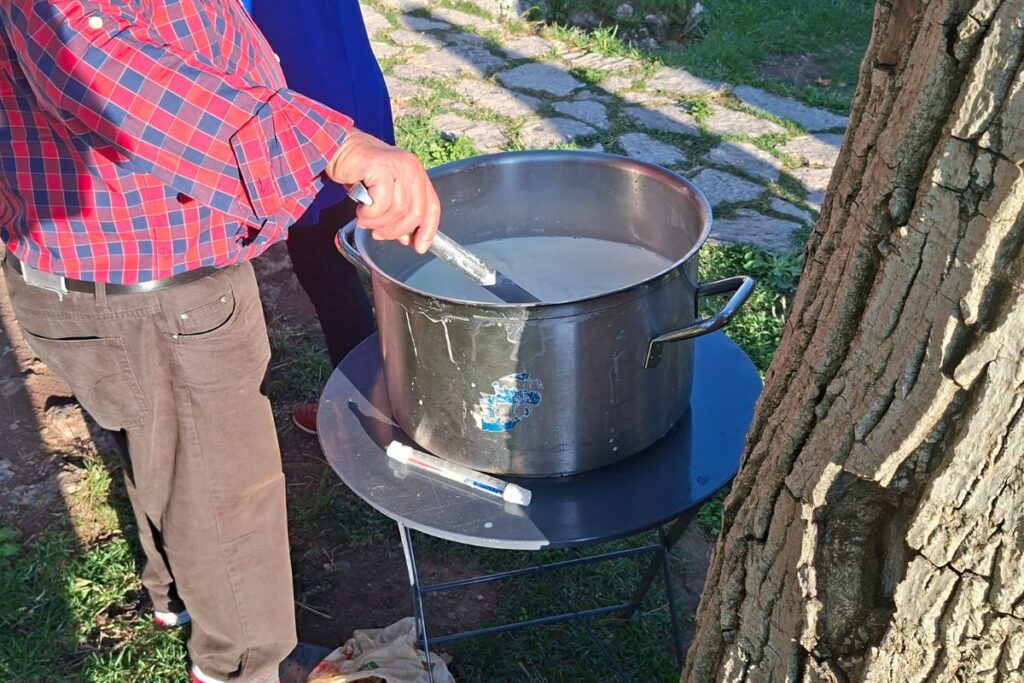
But for food lovers, Arcadia’s true poetry is written in its pastures. Here, the ancient art of cheese making isn’t just an industry; it is a way of life passed down through generations, shaped by the land, the weather, and a deep reverence for tradition..
It All Starts with the Terroir
You cannot understand Arcadian cheese without understanding the terrain. Unlike flat land dairy farms, Arcadia’s cheese-making process begins on steep, rocky slopes blanketed with wild oregano, thyme, and mountain herbs.
Local shepherds herd free-roaming, native breeds of sheep and goats. Because these animals climb high altitudes and feed on highly aromatic wild flora, their milk is exceptionally rich, concentrated, and naturally flavorful. This unique “terroir”—a term usually reserved for wine—gives Arcadian cheeses their distinct, complex finish.
The King of the Barrel: Arcadian Feta PDO
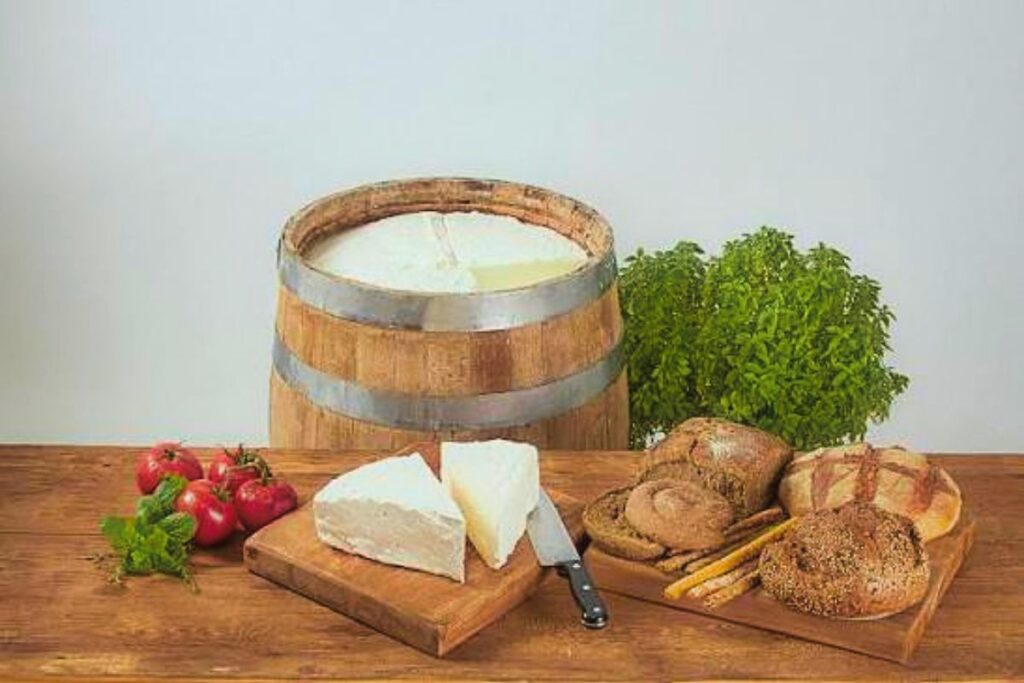
While many associate Feta with Greece as a whole, Arcadian Feta (Protected Designation of Origin) holds a legendary status among cheese connoisseurs.
What makes it so special? It all comes down to the wood.
While mass-produced fetas are aged in plastic or metal tins, authentic Arcadian feta is aged in beech or oak wooden barrels (varelia).
- The Micro-oxygenation: The wood is slightly porous, allowing the cheese to “breathe” and interact with the ambient mountain air.
- The Flavor Profile: This aging process, which lasts at least two to three months, coaxes out a spicy, complex bite, a creamy texture, and a rich, slightly woody aroma that you simply cannot replicate in steel.
Beyond Feta: The Supporting Cast
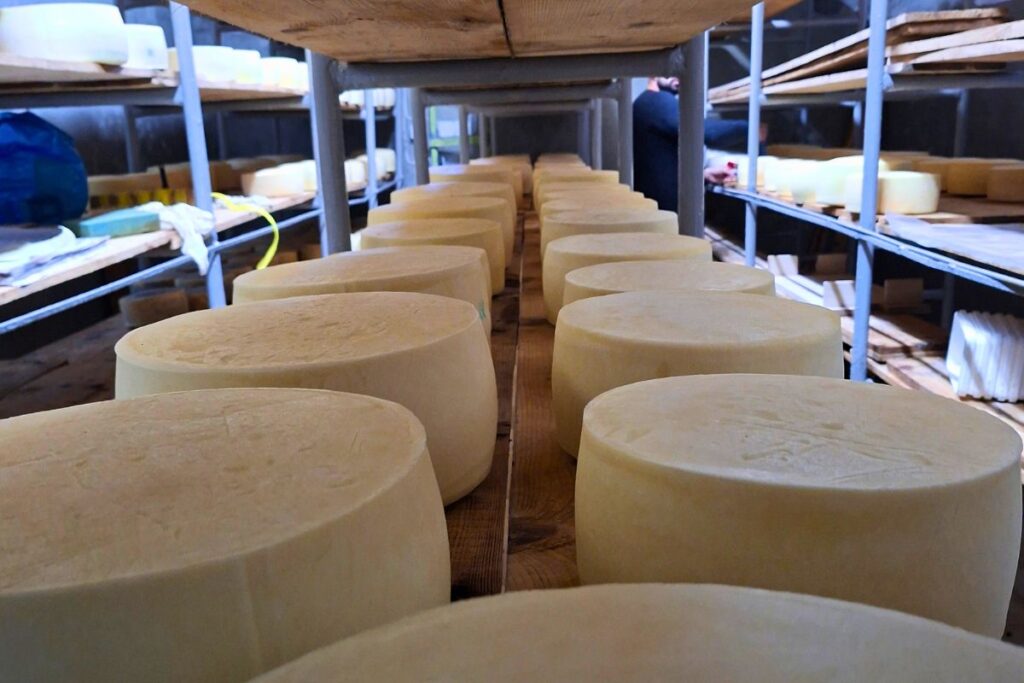
While Feta takes the crown, Arcadia’s cheesemakers are masters of several other traditional varieties:
| Cheese | Style | Character | Best Paired With |
| Graviera | Hard, sheep/goat blend | Sweet, nutty, and buttery with a sharp finish. | Local honey and walnuts. |
| Mizithra | Soft, whey cheese | Creamy, mild, and slightly sweet. | Fresh figs or crumbled over dakos salads. |
| Sfela | Semi-hard, salty | Often called “fire cheese” due to its spicy, strong kick. | Grilled with a squeeze of fresh lemon. |
Keeping the Craft Alive
Walk into a family-run tyrokomeio (cheesery) in Karatoulas Village, and you’ll likely find copper cauldrons, linen straining cloths (tsantiles), and wooden barrels stacked to the ceiling.
Arcadian cheesemakers still rely heavily on sensory instinct. They know when the curd is ready just by the weight of it on their wooden paddles, and they judge the aging process by the subtle change in a barrel’s aroma.
It is a slow, demanding craft that resists the rush of modern machinery. But take one bite of creamy, barrel-aged Arcadian Feta drizzled with local olive oil, and you will understand exactly why some things are worth doing the old-fashioned way.
Would you like a traditional Greek recipe that highlights Arcadian Feta?
Read the story here –>