In most places, a recipe is something you follow. In Psari, it is something they keep — the way other villages keep a monument.
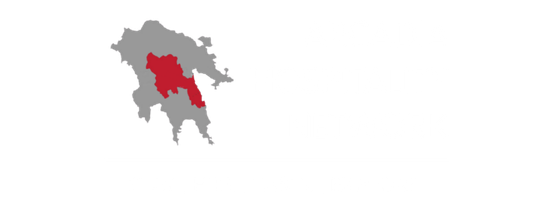
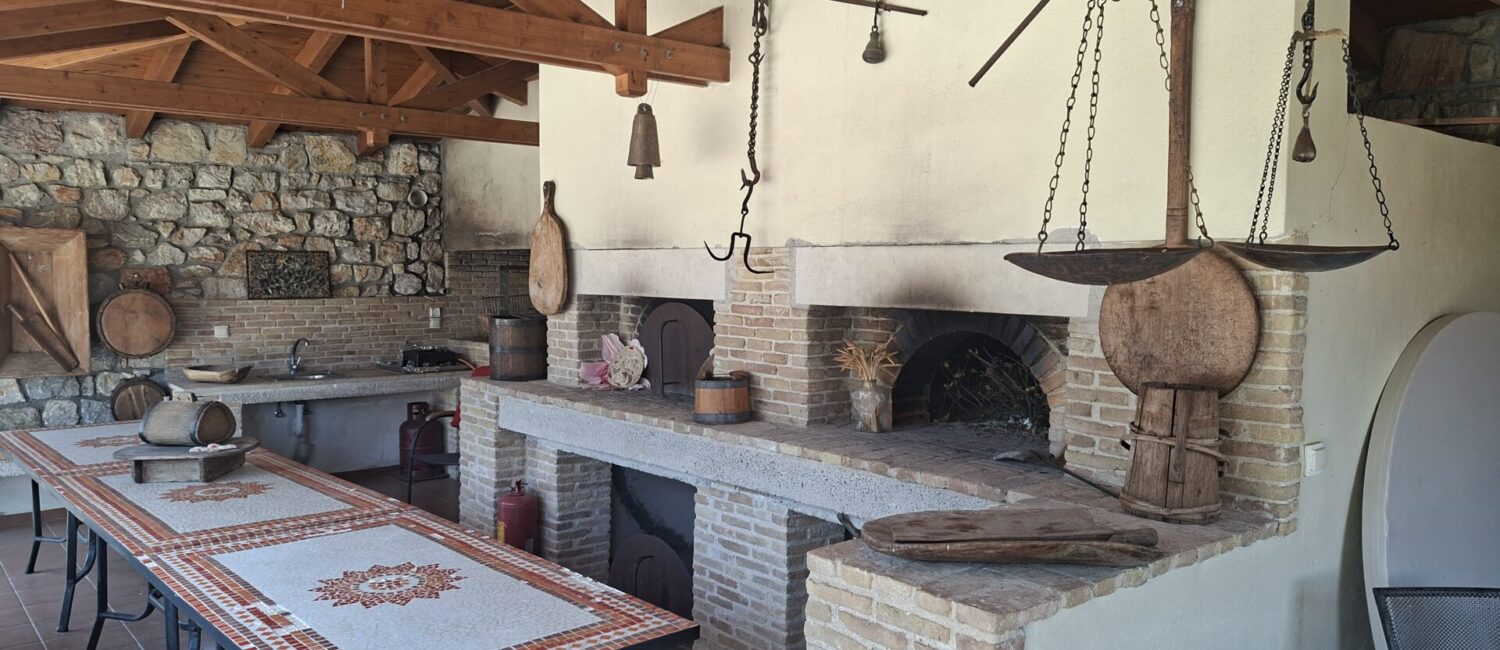
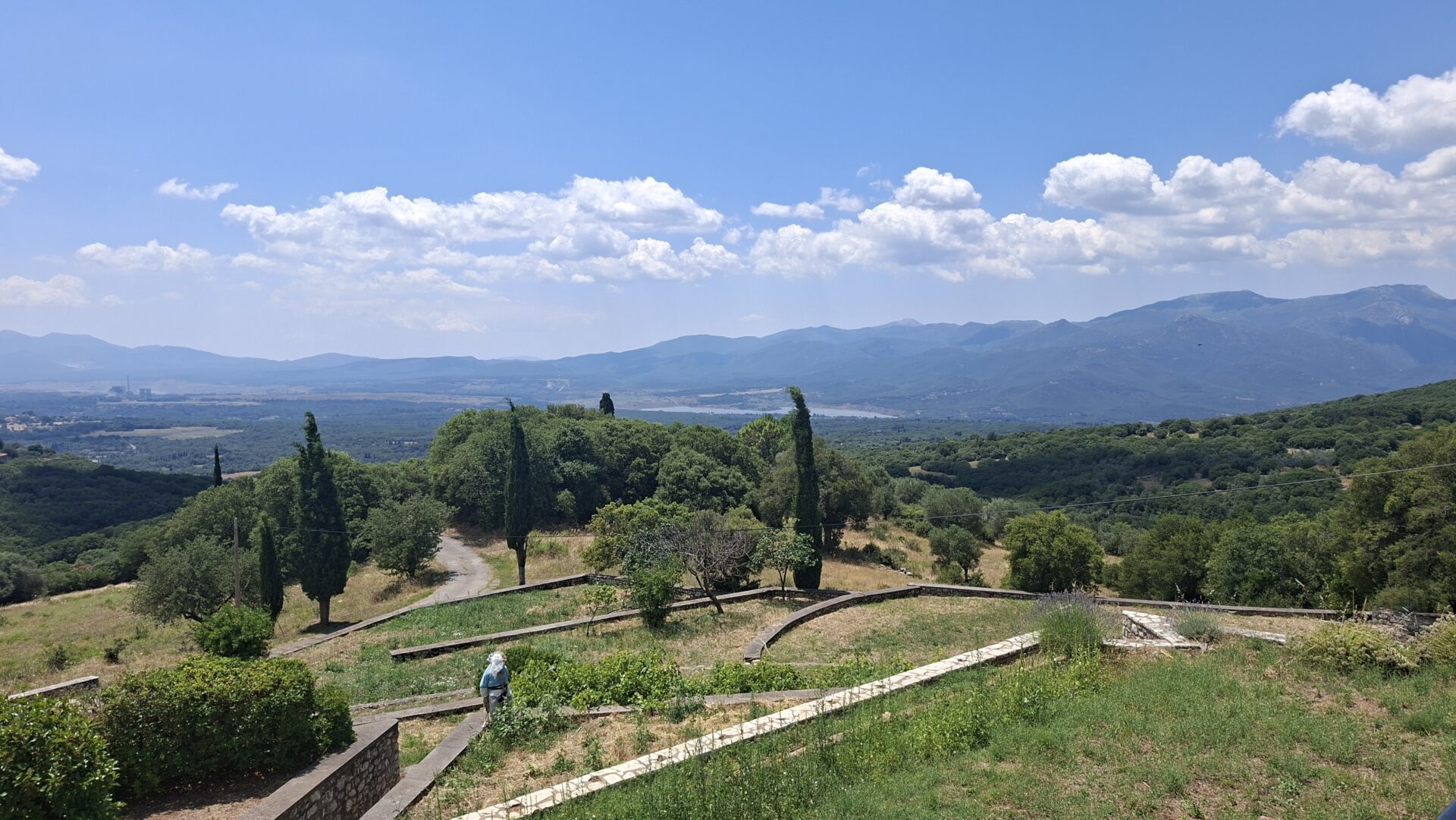
Arcadiani sits in this small village between Gortynia and Megalopoli, at the quiet centre of the Peloponnese, and it refuses to be just one thing. It is a workshop where wood-fired ovens still do the work. It is a table where the vegetables walked in from the garden outside. It is a place to sleep. And, improbably, it is a museum — of cooking.
The workshop and the table
The shelves tell you what Arcadia grows and what its households have always made: handmade pasta, loukoumia, spoon sweets and jams, honey, herbs and teas, pickles, dried figs, sesame and cereal bars — the snack that fed shepherds long before anyone called it energy food. Nothing here arrives from far away, because it never had to.
“Kentito” (Embroidered) Bread & Traditional Cooking
One of Arcadiani’s most iconic and touching initiatives is its traditional cooking classes and, most notably, the revival of the art of “kentito” (embroidered) bread. In Arcadian culture, embroidered bread was never just food; it was a work of folk art, a symbol of blessings, joy, and social cohesion that accompanied all the major milestones of life (weddings, baptisms, and major religious feasts).
In these hands-on workshops, local women guide visitors through the kneading process and the intricate “embroidery” of the dough with traditional motifs (such as birds, flowers, vine leaves, and religious symbols). Through this captivating ritual, gastronomy is deeply linked with heritage and human connection, offering a rare Slow Travel experience.
In the restaurant the menu changes with the season, for the simplest of reasons: it is written by the vegetable garden. This is what zero food miles looks like when it is not a marketing line but the shortest distance between two points — the bed you slept in and the plot the lunch came from.
A museum of cooking, a bookshop, a small theatre
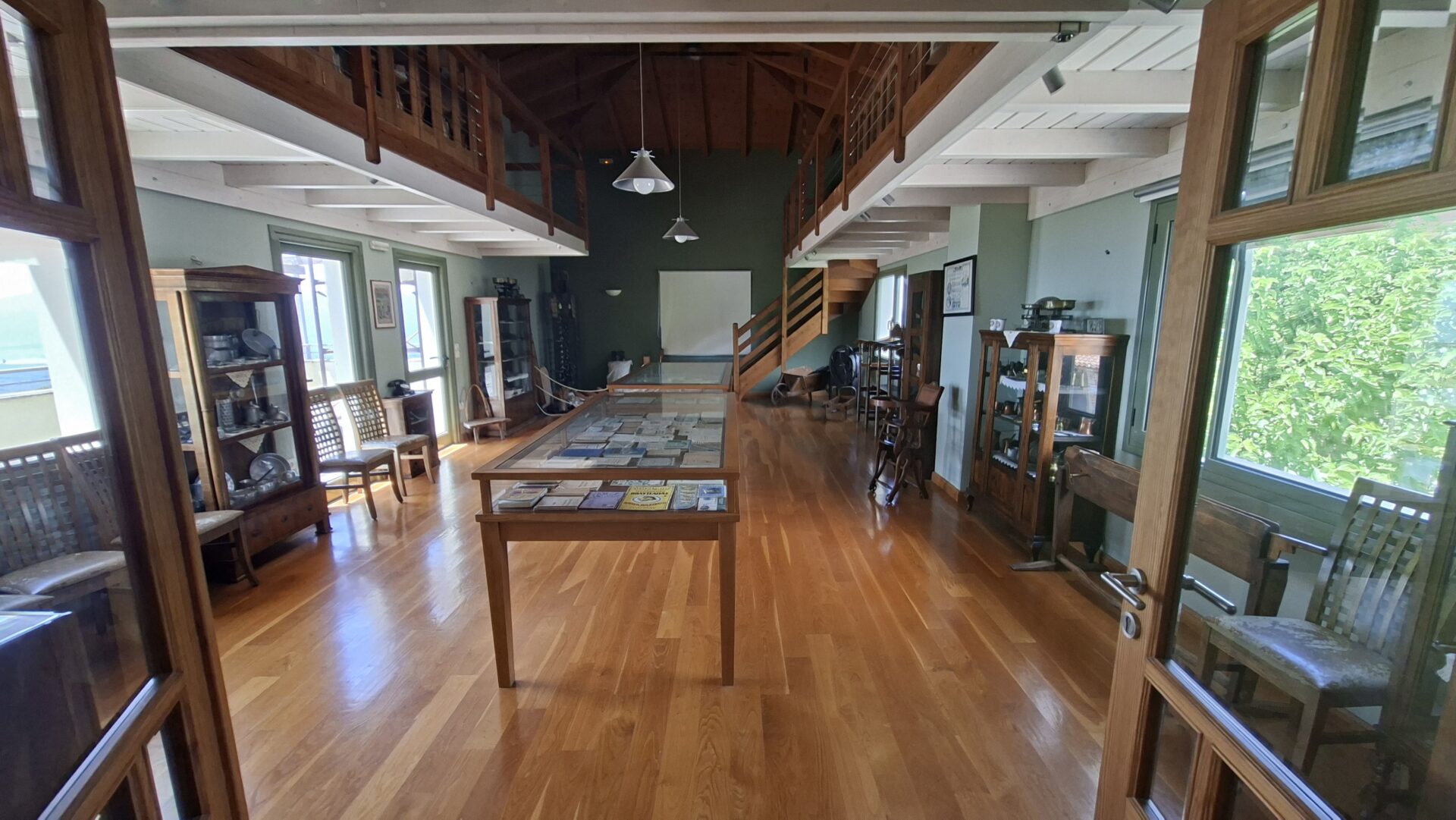
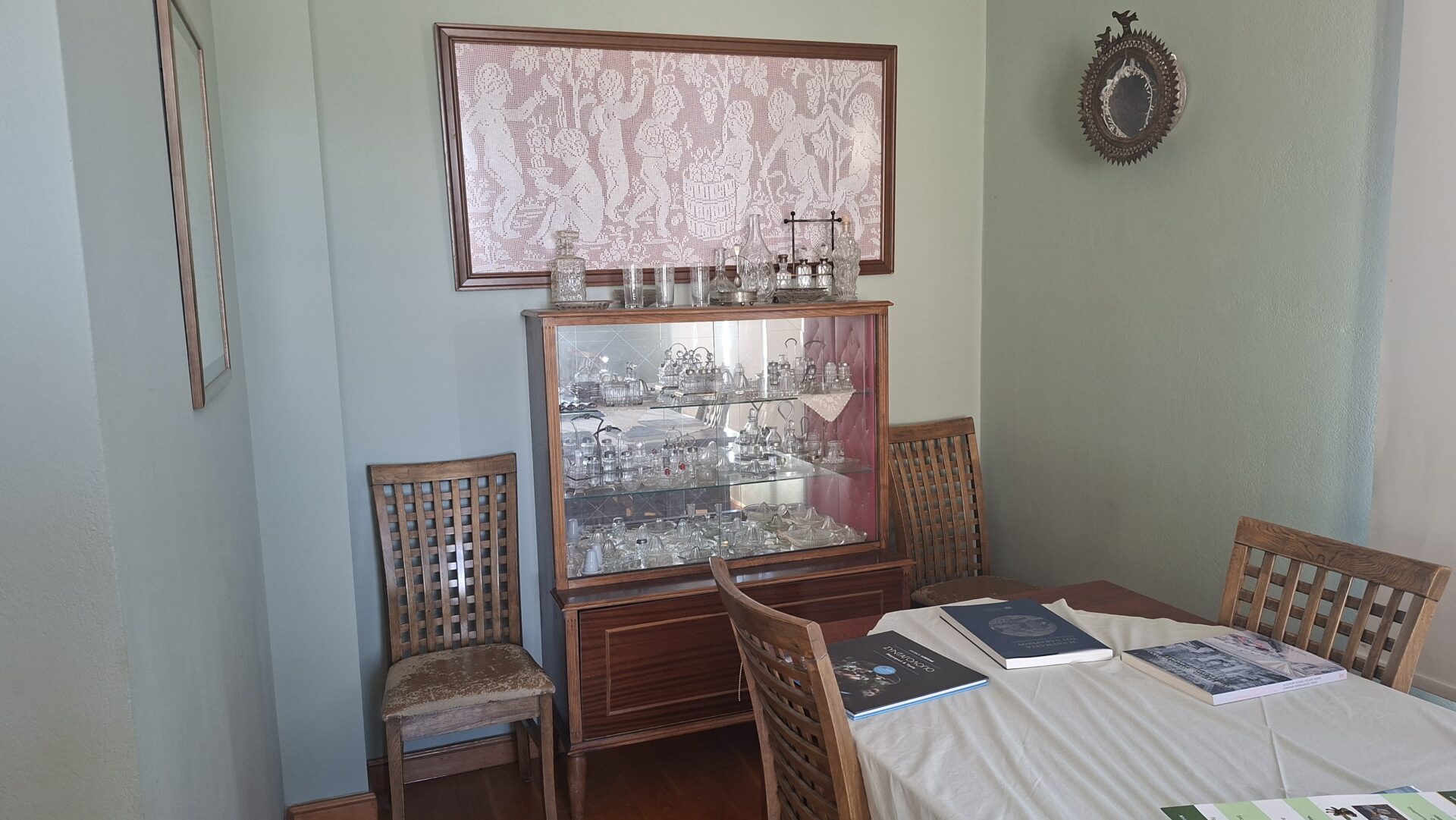
Then Arcadiani does something you do not expect from a producer. It keeps a Culinary Museum — vintage cookbooks, the tools of kitchens that no longer exist, the handwriting of women who never signed their recipes. Beside it, an antiquarian bookstore, a small theatre, and a museum of the village school.
Put together, it is a quiet argument: that the food of a place and the culture of a place are the same subject, and that both survive only if someone keeps using them. Which is precisely why Arcadiani belongs to two of our pillars at once — TASTE and EXPLORE.
The Museum of Primary Education
Alongside its culinary character, Arcadiani performs vital cultural and educational work by managing the unique Museum of Primary Education, located within the same complex. This museum serves as an ark of memory, preserving the history of Greek school life from the late 19th century to the mid-20th century.
The collection features rare antique schoolbooks, reading primers from past decades, wooden school desks, slate tablets with slate pencils, school uniforms, and historic documents. Rather than offering a static exhibition, the museum hosts educational programs for schools and visitors, allowing younger generations to discover how older generations studied and inviting older guests to experience a deep sense of nostalgia, beautifully connecting the past with the present.
Slow, on purpose
Arcadiani is a member of Slow Travel Greece and of Agroxenia, the national agritourism network — and a pioneer of Arcadian agritourism long before the word became fashionable. Come for lunch and you will lose an afternoon: to the farm, to the bookshelves, to a conversation in the shade. That is not a flaw in the plan. That is the plan.
Psari, Gortynia – Megalopoli, Arcadia. Part of the Arcadia Hospitality Network — slow, fair, real.