Arcadia, the “heart” of the Peloponnese, is a timeless symbol of the authentic Greek countryside. In particular, the region of Megalopoli, beyond its industrial past, hides a treasure trove of villages and landscapes perfect for Slow tourism that respects tradition, history, and the natural environment.
Megalopoli: A Gateway to Authenticity
The province of Megalopoli includes more than a hundred villages, built in privileged positions at the foothills of Mount Mainalo, Mount Lykaion, and Mount Taygetos. Here, Slow tourism is not just a trend, but a necessity for preserving the identity of the land.
-
-
-
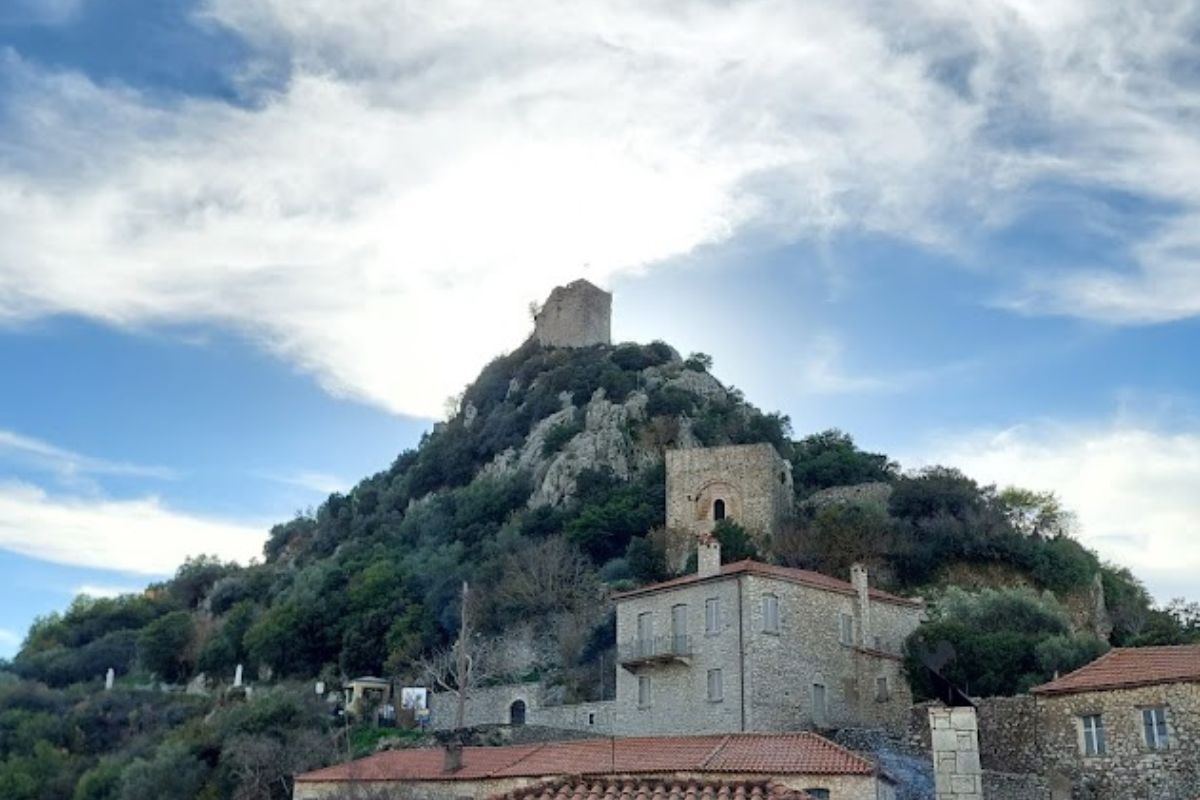
- Karytaina: The “Toledo of Greece”: Often described by Nikos Kazantzakis as a medieval masterpiece, Karytaina is a protected settlement that defines Arcadian beauty. From its 13th-century Frankish Castle to the iconic stone bridge over the Alfeios River, it offers a journey back in time. It serves as an ideal base for travelers who value architectural heritage over mass commercialization.

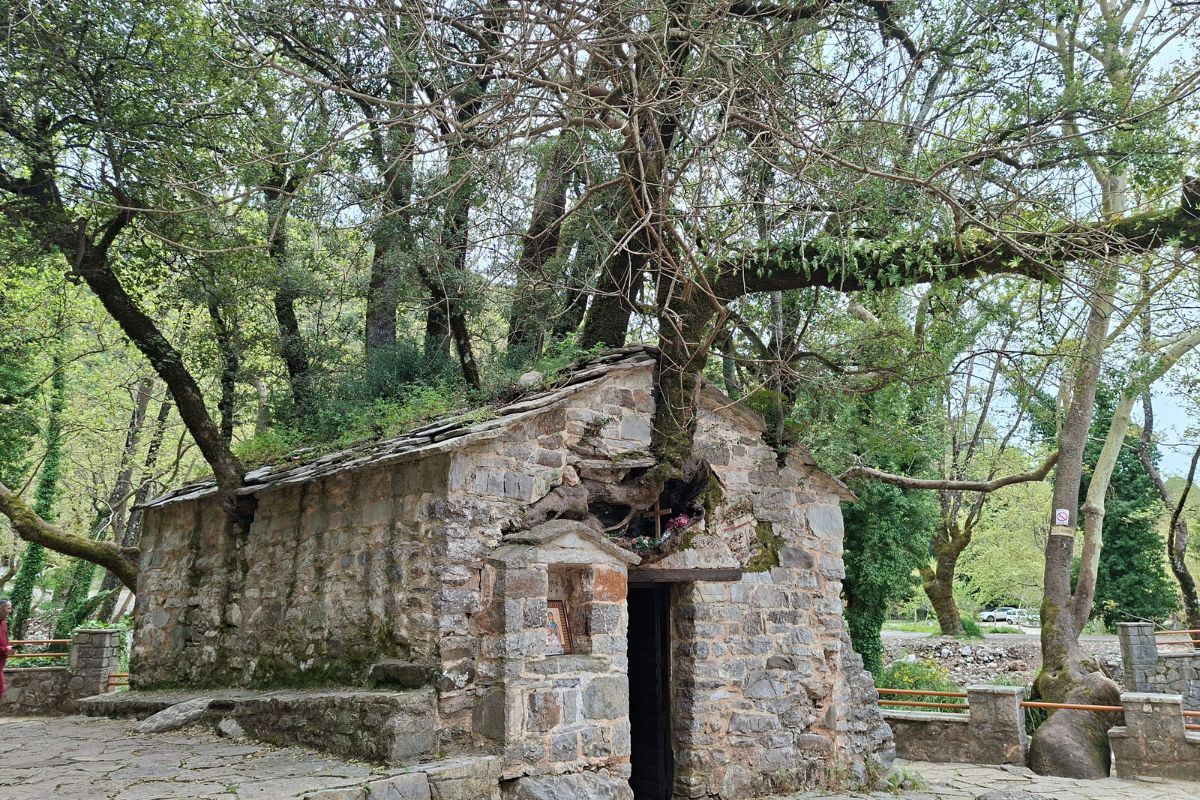
- Isaris & Vasta: Isaris, with its imposing stone school and museums, offers panoramic views of the valley. Nearby, the Chapel of Agia Theodora in Vasta—where 17 trees grow from its roof—is a global phenomenon that demands the care and respect of every visitor.
-
-
-
- Paradisia: The Mythological Retreat: Aptly named “Paradise,” this village sits on the southern edge of the Megalopoli plateau. Believed to be the site of ancient Kromnos, it connects visitors to the mythical lineage of King Lycaon. The serene spring of Agios Kosmas, the magnificent Mavrolimna lake and the surrounding agricultural landscape offer a quiet, restorative atmosphere far from the beaten path.
- Leontari & Falaisia: Historical Leontari, featuring its Byzantine castle and the Church of the Holy Apostles, invites a quiet journey through history. Villages like Dyrrachio on Mount Taygetos remain “hidden gems”, maintaining their wild beauty far from urban noise.
- Lykosoura: A visit to what Pausanias called the oldest city in the world offers a unique experience of connecting with the deep roots of Arcadia’s civilization.
Low-Impact Activities
The area is ideal for those seeking tranquility and outdoor exercise that leaves a minimal footprint:
-
- The Lousios & Alfeios Confluence: Near Karytaina, the rivers offer opportunities for eco-friendly rafting and kayaking, providing a unique perspective of the gorge’s natural rock formations and biodiversity.
- Arcadia Trails: A network of paths around Mount Lykaion and the Lousios Gorge connects villages such as Karytaina, Isaris, and Ano Karyes, offering safe hiking on historical mule tracks.
- Local Gastronomy: Respect for the land is also found on the plate. Visitors can taste local products like Mainalo fir honey, artisanal cheeses, and traditional pasta, directly supporting the local economy and small-scale farmers.
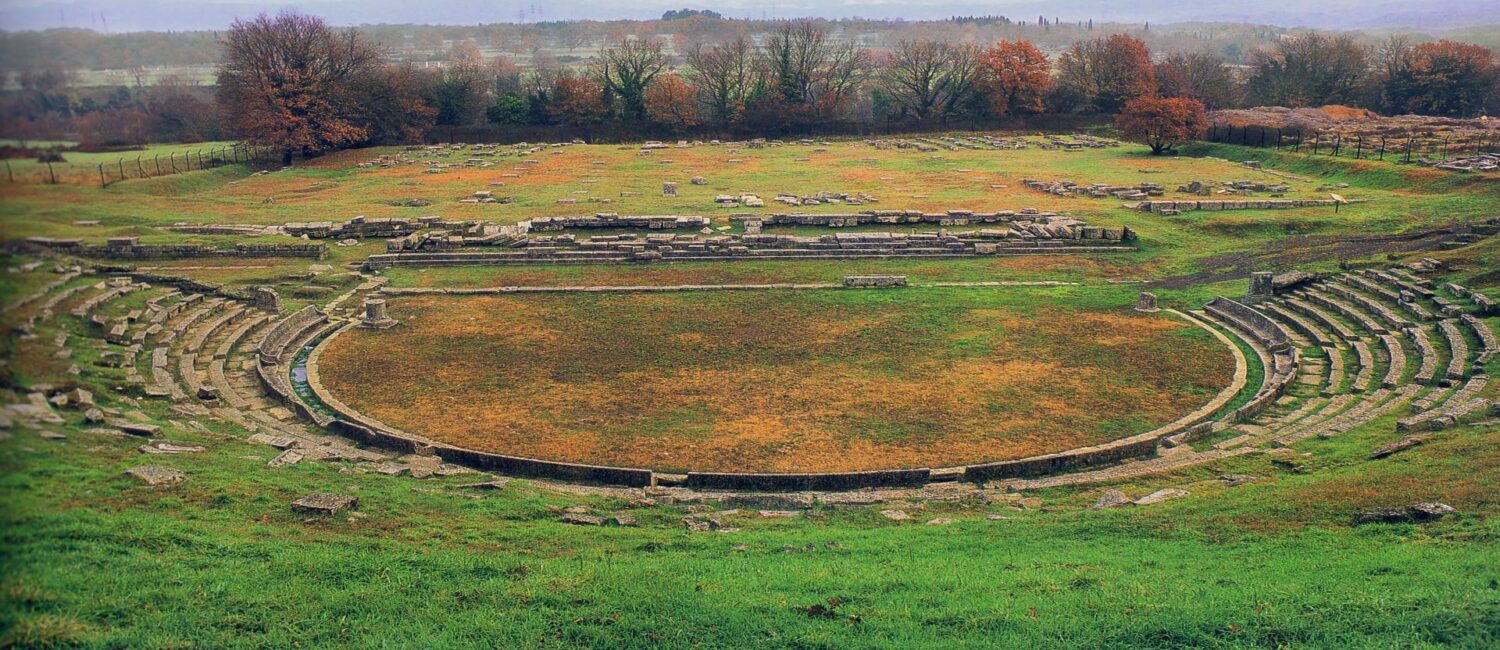
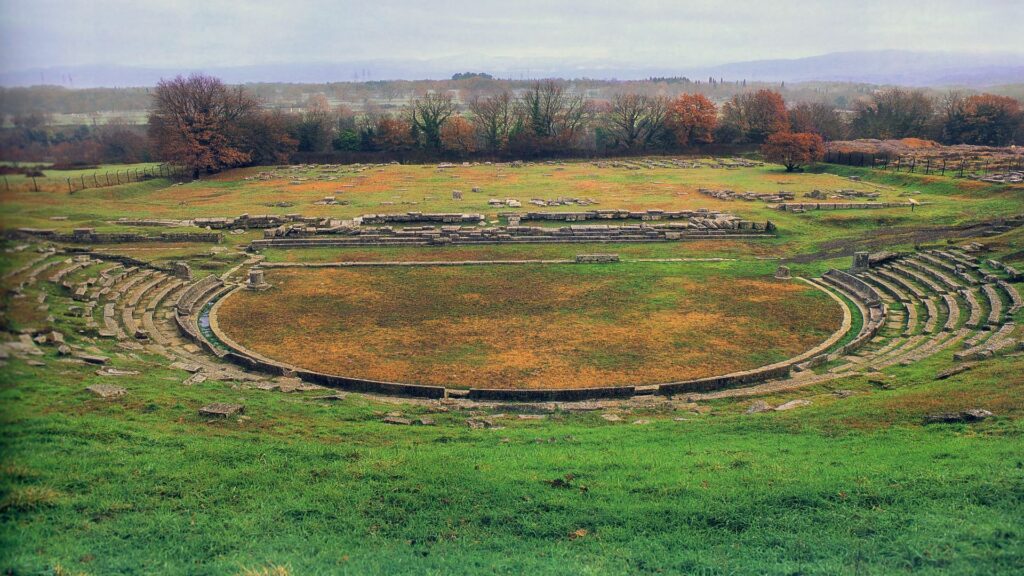
- Cultural Exploration: The Ancient Theatre of Megalopoli, the largest in antiquity, is a site that inspires awe and requires gentle management to ensure its preservation for future generations.
Why Slow Tourism?
By choosing Slow tourism in Arcadia, we contribute to the preservation of traditional architecture (stone houses, tiled roofs) and the protection of river ecosystems. It is an invitation to become “guests” rather than mere consumers—to walk the cobblestone streets of Karytaina and the mountain paths of Megalopoli with a sense of stewardship.