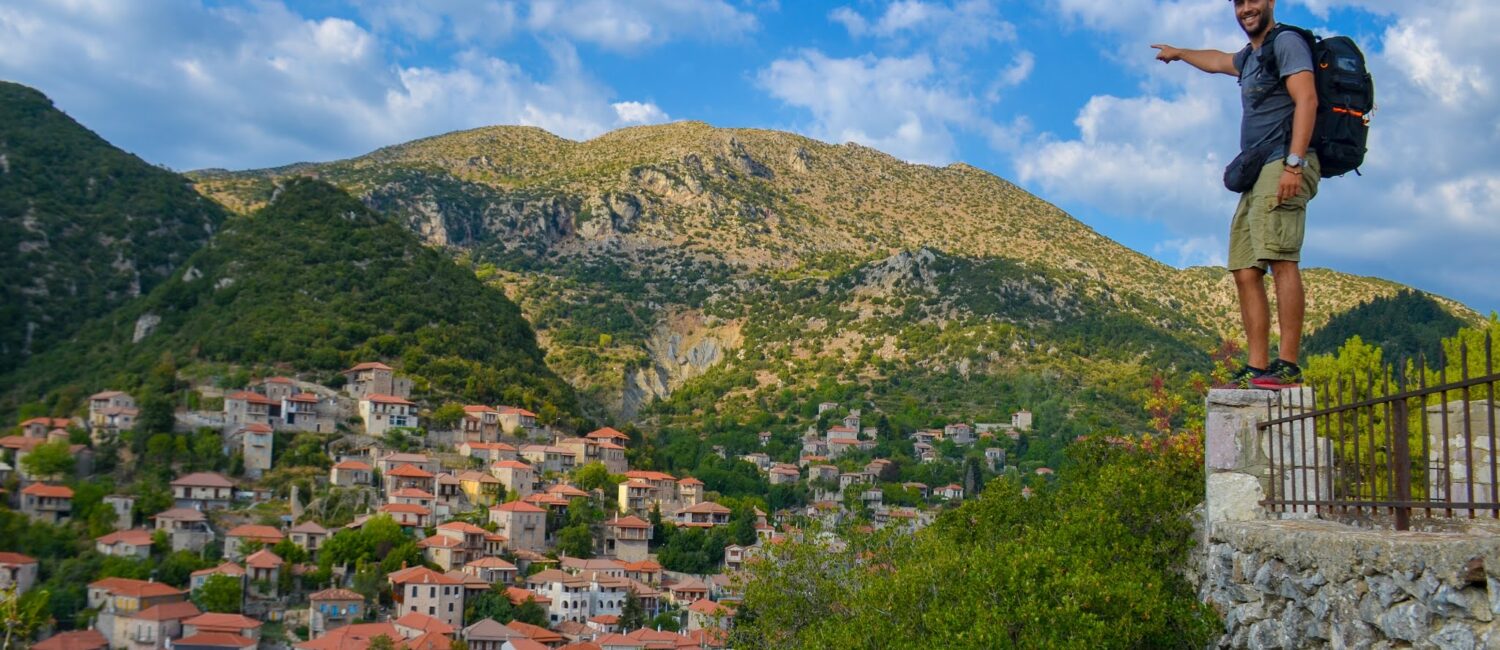
The heart of the Peloponnese is redefining itself — not as a destination, but as a way of life.
Arcadia — the region whose name has become synonymous worldwide with the utopian ideal of absolute serenity and the return to nature — is undergoing a period of remarkable transformation. Moving away from the mass tourism model with its disproportionate environmental footprint, the heart of the Peloponnese is redefining itself as a premium alternative experience destination in Greece.
From “Traditional” to Modern Experiential
Until recently, Arcadia was considered primarily a winter weekend destination. The early results of the sweeping change being pursued by local stakeholders, entrepreneurs, and the people of Arcadia are already beginning to take shape. The tourist season is visibly extending beyond weekends to span the full year, anchored around four central pillars:
Unhurried rhythms in close contact with nature — horse riding, local producers, sustainability. A philosophy where visitors experience the place, not consume it.
Active participation in production — from grape harvesting on the slopes of Mantineia to the making of traditional dairy products.
The fir forests of Menalon now host some of Greece’s most sophisticated retreats, focusing on forest bathing and meditation.
With fibre-optic networks reaching Stemnitsa and Dimitsana, Arcadia attracts remote workers seeking mountain tranquillity without sacrificing connectivity.
The Geography of Change
Arcadia’s tourism identity is now divided into distinct zones, each offering its own character and draw.
The Menalon Trail — the first certified hiking path in Greece by the European Ramblers’ Association — remains the flagship offering. The ambitious Arcadian Trails project is expanding this, opening paths on Mount Lykaion and around ancient Lykosoura, and welcoming sports tourism through international trail running and cycling events. The Megalopolis Gravel Classic 2026 is on track to become an annual institution.
Coastal Arcadia — Paralia Astros, Tyros, Leonidio — has emerged from the shadow of its mountainous interior. Leonidio’s world-class climbing on the “Red Rock” has created a community of visitors unlike the typical sun-lounger tourist, bringing life to the area for ten months a year. The beloved Melitzaz festival, dedicated to Tsakonian culture and the famous Tsakonian aubergine, fills the streets with sound, colour, and aroma.
“Arcadia in 2026 does not aspire to become the next mountain Mykonos. The bet is on heritage, biodiversity, and the return of young people to its villages.”
Infrastructure & Sustainability
Arcadia’s new identity is rooted in the deliberate avoidance of over-development. The 2026 strategy spans four interconnected areas:
Expansion of the EV charging network across the entire mountain road network, making sustainable travel practical for every visitor.
Certification of the “Arcadian Plate” label — over 80% local raw materials, low environmental footprint, and circular economy principles.
Digitisation of monasteries and museums through Augmented Reality, bringing each village’s cultural assets back to life for residents and visitors alike.
Tourism as a tool to reopen village kafeneions, restore water to fountains, and encourage young Arcadians to return and stay.
Arcadia is reintroducing itself to the world not merely as a place of beautiful landscapes, but as a way of life — for those who wish to disconnect from the intensity of the city and reconnect with themselves and with nature.
Arcadian Hospitality · An international brand that promises you can stop time
Ilias Siolis is a tourism and hospitality professional in Greece with over 20 years of experience in management roles. Co-founder of the Arcadia Hospitality Network, he maintains an active presence on social media and writes frequently on travel and hospitality — sharing photography and best practices from destinations across Greece and beyond.